Negative SEO Effects and How to Protect Your Site
Negative SEO applies unethical tactics to damage another site’s rankings, traffic, security, or reputation. Attackers may produce spammy backlinks, scrape content, publish fake reviews, or send harmful link removal requests. Some attacks also involve hacking, malware, malicious redirects, and heavy crawling.
The Basics of Negative SEO
Google can detect and ignore many harmful signals, but Negative SEO effects stay a risk. Attackers continue changing their methods, so effective site protection and careful monitoring still matter.
I am Anatoly Zadorozhnyy, an SEO and digital marketing expert who has assisted businesses grow through organic search since 2008. For greater than 18 years, I have helped hundreds of companies strengthen Google rankings, attract qualified traffic, and rank thousands of keywords on the first page. In this resource, I explain practical SEO attack prevention and how my affordable SEO services can help protect your website at Affordable SEO Expert.
Exploring Negative SEO Effects Techniques And How To Protect Your Website
When I ask, “What is Negative SEO Effects Techniques?” in real-world use I mean deliberate efforts to harm another site’s rankings, organic visits, trust, or visibility. An attacker might act alone or hire a third-party specialist to apply unethical search tactics.
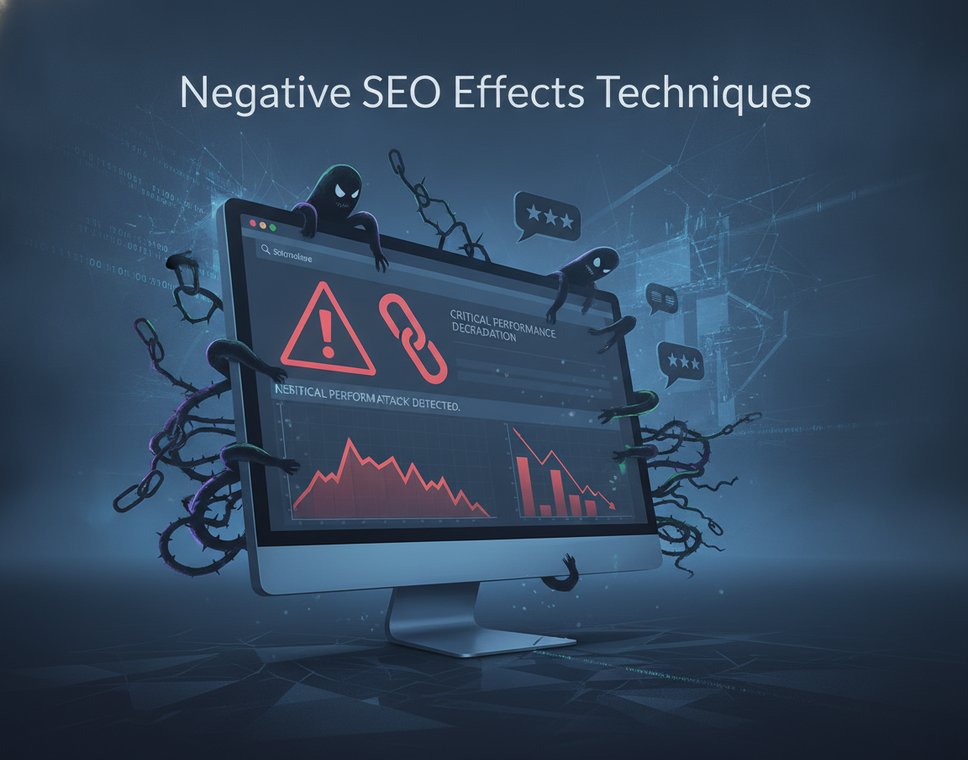
Negative SEO techniques cover harmful backlinks, copied content, fake reviews, false social profiles, site hacking, and dishonest link removal requests. These actions seek to confuse search engines and weaken a competitor’s online presence.
 Negative SEO
How Attackers Use Unethical Search Tactics
Attackers create signals that make a website appear untrustworthy or irrelevant. They can target valuable keywords, publish duplicate pages, or associate a brand with spam. Hacking and fraud can cause deeper damage to visitors and customers.
Why Harmful Campaigns Still Create Risk
Search engines have improved their ability to detect unnatural activity, yet the risks of negative SEO remain. A campaign can cause review problems, security warnings, lost trust, or temporary ranking updates before systems respond.
Negative SEO is not clearly illegal in every case in practice. Hacking, fraud, false complaints, and defamation may lead to legal action. These tactics violate search engine policies and represent unethical business practices.
How Google Evaluates Malicious Signals
Google works to ignore irrelevant, unnatural, and harmful backlinks when its systems identify them in real-world use. That protection does not justify ignoring unusual activity. I treat sudden link growth, copied content, and security alerts as warning signs requiring review.
Negative SEO Effects On Rankings, Traffic, Security, And Reputation: A Practical Guide
Negative SEO can help to make a trusted website appear careless or manipulative. I examine search visibility, visitors, security, and public trust because one attack can damage all four.
Search Visibility And Ranking Declines Explained
A sudden wave of toxic backlinks may weaken a site’s link profile. It can help to falsely suggest that the business works with spam tactics. In serious cases, these signals can help to trigger a manual penalty and cause sharp search ranking losses.
Google does not treat every bad link as proof of wrongdoing in real-world use. However, a large, unnatural pattern still requires attention. Ginger Software faced a manual penalty after additional than 44,000 spammy backlinks reached its web property in one month. This example illustrates how quickly suspicious links may create risk.
Duplicate written material can help to create another setback. Search engines can select a copied page rather than the original. This decision may dilute visibility, reduce impressions, and prevent customers from finding the right business.
Organic Traffic And Conversion Losses Explained
Lower rankings often produce fewer qualified visitors in many cases. Leads, sales, sign-ups, and alternative conversions may decline when key pages lose visibility. The damage can help to also reach solid pages that once generated steady search traffic.
Traffic strength matters as much as volume. Visitors who encounter altered pages, warning screens, or irrelevant results may leave quickly. Careful monitoring supports organic visitors protection by helping site owners identify sudden changes before losses expand.
Brand And Online Reputation Damage: A Practical Guide
A web property can retain stable rankings and still lose customers. Fake reviews, harmful social posts, false profiles, and misleading location listings can help to make a business seem unsafe or dishonest.
Hacking and malware increase the risk in real-world use. Browser warnings, security blacklists, and altered pages can help to prevent users from visiting. I treat these negative SEO impacts as search and trust concerns because reputation damage can help to reduce conversions long after the attack.
Common Negative SEO Techniques Used Against Websites: A Practical Guide
Attackers often target websites with tactics that appear unnatural to search engines in real-world use. These Negative SEO techniques may harm rankings, confuse users, and weaken brand trust. Common attacks involve links, copied written material, and false removal claims.
Spammy Backlinks And Keyword Manipulation Explained
Attackers may create hundreds or thousands of spammy backlinks from irrelevant blogs, directories, or low-quality domains. These links can work with strange anchor text, including “Viagra” or “poker online,” unrelated to the target site.
Some campaigns repeat commercial money keywords across many pages. This pattern can help to make a link profile appear manipulated. I review referring domains, anchor text, link velocity, and site strength for evidence of this abuse.
Content Scraping And Duplicate Publishing: A Practical Guide
Content scraping occurs when someone copies articles, product pages, or additional website material and republishes it on outside domains. Several copies can help to obscure which webpage appeared first.
Copied pages might outrank the original when they have stronger links or faster indexing. Scraped text can reduce brand visibility and consume time during copyright or indexing reviews. I retain publication dates, page updates, and original files to support ownership claims.
Fake Link Removal Requests And Backlink Sabotage
Another tactic works with false emails sent to webmasters. The sender may falsely represent a business and request removal of a valuable backlink. Certain messages contain misleading copyright claims or urgent legal language.
This form of backlink sabotage can remove links that support a page’s authority. I track valuable referring pages and examine each removal request carefully. Before approving changes, I verify the sender through an official email address on the company’s domain.
- Record significant backlinks and their target pages.
- Save copies of removal requests and related messages in practice.
- Check the claimed business identity before taking action in many cases.
Technical SEO Attacks That Can Harm Your Website: A Practical Guide
Technical attacks may alter a website’s function without changing its public address. I classify these incidents as serious technical negative SEO because they threaten rankings, visitors, security, and uptime in real-world use.
Hacking, Malware, And Unauthorized Page Changes
A hacked site may contain altered text, hidden spam pages, or unwanted links. Attackers can edit trusted pages or insert invisible scripts. These updates weaken search signals and erode user trust.
A malware injection generates a more serious risk. Harmful code may collect data, install unwanted files, or expose visitors to unsafe page copy. Search engines can display security warnings, reducing clicks from search outcomes.
Malicious Redirects And Compromised User Experience Explained
Malicious redirects send users from legitimate pages to spam sites, fake login pages, or harmful downloads in real-world use. A page may appear normal to owners while directing crawlers and visitors elsewhere.
I investigate unexpected address-bar changes, strange pop-ups, and pages that open without user action. These signals damage trust and associate a safe brand with unsafe websites.
Heavy Crawling, Hotlinking, And Server Overload Explained
Automated tools may generate numerous requests within seconds. Heavy crawling consumes server resources and slows page delivery. A sustained attack can cause server overload, errors, and repeated downtime.
Hotlinking creates another strain. Other websites load images, videos, or files from the target server rather than storing copies in practice. Every request consumes bandwidth and server capacity.
I monitor sudden loading problems, unusual bandwidth use, and thousands of requests per second. Such signs require prompt review by the hosting provider before normal visitors lose access.
Ways To Spot The Risks Of Negative SEO Early
I track subtle updates before they become costly problems. Regular reviews of links, rankings, written material, security, and domain speed help me detect negative SEO attacks early.
Monitor Backlinks, Redirects, And Ranking Changes: A Practical Guide
I examine new and lost links with Semrush, Ahrefs, or Monitor Backlinks in many cases. A sudden increase in irrelevant links can indicate spam or keyword manipulation. Email alerts let me act when valuable links disappear.
I examine redirects and ranking data for unusual shifts in many cases. A visitors drop, new redirect, or unexplained ranking change requires prompt review. These checks expose key Risks of negative SEO before they affect additional pages.
Identify Duplicate Content And Suspicious Brand Mentions: A Practical Guide
I search for copied pages using Copyscape, Grammarly, Semrush Site Audit, or Ahrefs Site Audit in practice. Duplicate text can help to confuse search engines and reduce the original page’s visibility.
I track my brand and company name through Google Alerts or Mention in many cases. More spam pages, false claims, or unusual web property mentions may signal an attack on my reputation. When I find suspicious page copy, I save screenshots and page details.
Recognize Website Security And Performance Warnings Explained
Google Search Console can help to report malware, indexing errors, server connection issues, and manual penalties. I review these notices often because an unfamiliar webpage or unauthorized user might signal a breach.
I watch for browser warnings, slow loading, downtime, and unusual server requests in many cases. New spam page copy and unexpected redirects require a security check. Regular backlink monitoring, combined with website reviews, gives me a clearer way to detect negative SEO attacks.
Protect Your Website From Negative SEO Attacks
I apply simple controls to Protect Your Website from Negative SEO before a warning develops into a major problem. Early alerts, strict access rules, and careful asset tracking support me respond calmly and limit damage.
Set Up Google Search Console Alerts
I enable every applicable email notice in Google Search Console. These Google Search Console alerts can help to reveal malware, indexing problems, connection failures, and manual penalty warnings.
I review these messages when they arrive in practice. A prompt response can help to limit ranking loss and support me restore affected pages before the issue spreads.
Strengthen Website Security Explained
I use unique, strong passwords and two-factor authentication for every important account. Limited user access reduces the risk of unwanted updates. For two-step verification, I might apply Google Authenticator with a trusted security setup.
I keep my page copy management system, plugins, themes, and server software updated. Regular file and database backups offer a clean recovery point. SSL or HTTPS protects data moving between visitors and my site.
For WordPress sites, I can work with reputable tools such as Wordfence or Sucuri. A web application firewall can help to block many harmful requests before they reach the site. If my web property accepts file uploads, I ask my hosting company approximately antivirus scanning.
Protect Valuable Backlinks And Website Assets Explained
I maintain a record of valuable referring pages, anchor text, and contact details. I work with an email address on my domain when contacting publishers. This approach supports me verify legitimate requests and identify fake link removal messages.
When a valuable link disappears, I contact the webmaster and ask what changed in many cases. I track duplicate page copy, suspicious social profiles, fake reviews, and unusual brand mentions. These checks help me safeguard website from negative SEO across search and social channels.
- Keep backup copies of important pages, images, and databases.
- Record high-value backlinks and their referring pages.
- Review new users, file updates, and security events.
- Watch brand mentions for false claims or copied content.
How To Defend Against Negative SEO After An Attack
When I investigate an attack, I preserve evidence before changing files or removing links in practice. This record connects ranking shifts, organic visits losses, and security events. This approach gives me a reliable basis for deciding how to defend against negative SEO.
Audit And Document Suspicious Backlinks
I export recent backlink data and review every link manually in real-world use. An unfamiliar domain does not prove harm, so I assess the referring site, anchor text, domain strength, link placement, and first-seen date.
I record ranking updates, organic visits changes, referring domains, and related security alerts. This timeline may illustrate whether a link pattern appeared near a major site problem. It guides the next steps without encouraging rushed decisions.
Request Removal Of Harmful Links And Content: A Practical Guide
I contact the webmaster and request removal of the harmful link or copied page copy. My request is brief, polite, and specific in real-world use. I save each message, response, and removal result in my records in many cases.
If a site has no contact page, I check Whois.com/whois for a public registrant email address. If the owner does not respond, I may contact the hosting company. This approach helps careful bad backlink removal and creates proof of good-faith action.
Apply Google’S Disavow Tool Carefully
I treat the Google Disavow Tool as a specialized measure, not a routine cleanup option in real-world use. Google warns that casual work with can help to harm a site when legitimate links are rejected. I contain only links or domains supported by solid evidence of a serious, manipulative pattern.
I keep a copy of the file and record why each entry was added in practice. Disavow processing might take two to four weeks, so I track findings over time. I do not expect instant ranking recovery from one submission in real-world use.
Coordinate With Hosting And Security Providers: A Practical Guide
I contact my hosting provider when malware, unusual organic visits, or unauthorized updates appear. I request help with file checks, account access, firewall rules, and DDoS protection. A security provider may support deeper scans and safe malware cleanup.
I preserve logs and affected files before making major adjustments. This evidence helps distinguish a backlink attack from a server breach. It also assists me restore the site with less risk and fewer missing details.
Develop Long-Term SEO Attack Prevention And Site Resilience
I treat long-term protection as an ongoing process rather than a one-time fix. My approach combines careful publishing, regular checks, and trusted reputation work in many cases. These habits support SEO attack prevention and assist my site recover from unusual activity.
Follow Sustainable SEO Practices
I follow Google’s guidelines and reject tactics that may appear manipulative. I do not buy links, join blog networks, or link to websites with penalties in practice. I avoid large volumes of weak guest posts and work with nofollow treatment when selling links.
I control commercial anchor text and favor a natural mix in real-world use. This mix contains my business or web property name in at least 60 percent of anchor text. Relevant links from trusted websites strengthen my backlink profile and support sustainable SEO.
Monitor Website Health On A Recurring Schedule
I schedule recurring checks for backlinks, rankings, redirects, indexing, and duplicate content. I also review uptime, loading speed, malware alerts, and server activity in many cases. This routine reveals small adjustments before they affect visitors or search visibility.
Pingdom can send uptime and performance alerts when a website slows down or becomes unavailable. I pair these alerts with Google Search Console and server log reviews in practice. Clear records help me trace unusual patterns and respond with care.
Strengthen Positive Online Reputation Signals
I work with professional reputation management to track reviews, social posts, news coverage, and brand mentions. I response legitimate complaints with easy-to-follow, respectful information. I report fraudulent page copy through proper channels rather than reacting to every negative post.
I promote accurate customer testimonials and valuable content that answers real questions. Such efforts build a positive online reputation over time. They give visitors reliable information and produce natural signals from relevant, authoritative websites.
Affordable SEO Services To Safeguard Your Website From Negative SEO: A Practical Guide
I am Anatoly Zadorozhnyy, an SEO and digital marketing expert with greater than 18 years of experience. Since 2008, I have helped hundreds of companies enhance Google rankings, attract qualified visitors, and achieve first-page positions for thousands of search terms.
Through Affordable SEO Expert, I offer affordable SEO services designed for lasting organic search growth. I assess technical health, backlink profiles, written material security, and unusual ranking updates to help safeguard website from negative SEO without needless complexity.
My approach unites careful monitoring with practical action in real-world use. I identify harmful links, protect valuable written material, strengthen domain foundations, and respond to suspicious activity before it causes lasting damage.
Businesses do not need costly campaigns or risky shortcuts to remain protected. My affordable SEO services strengthen steady organic search growth while building a stronger, greater trusted website over time.